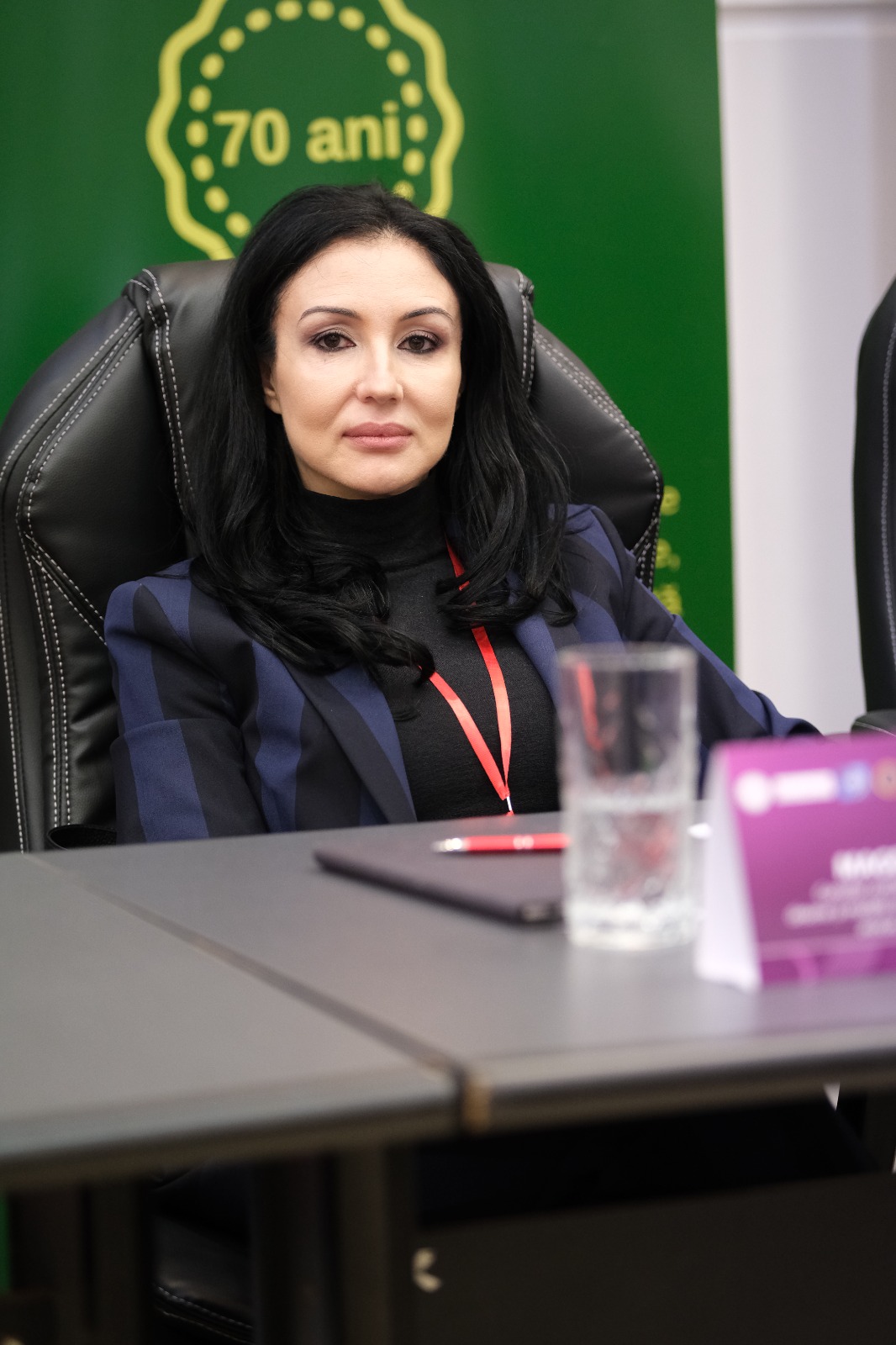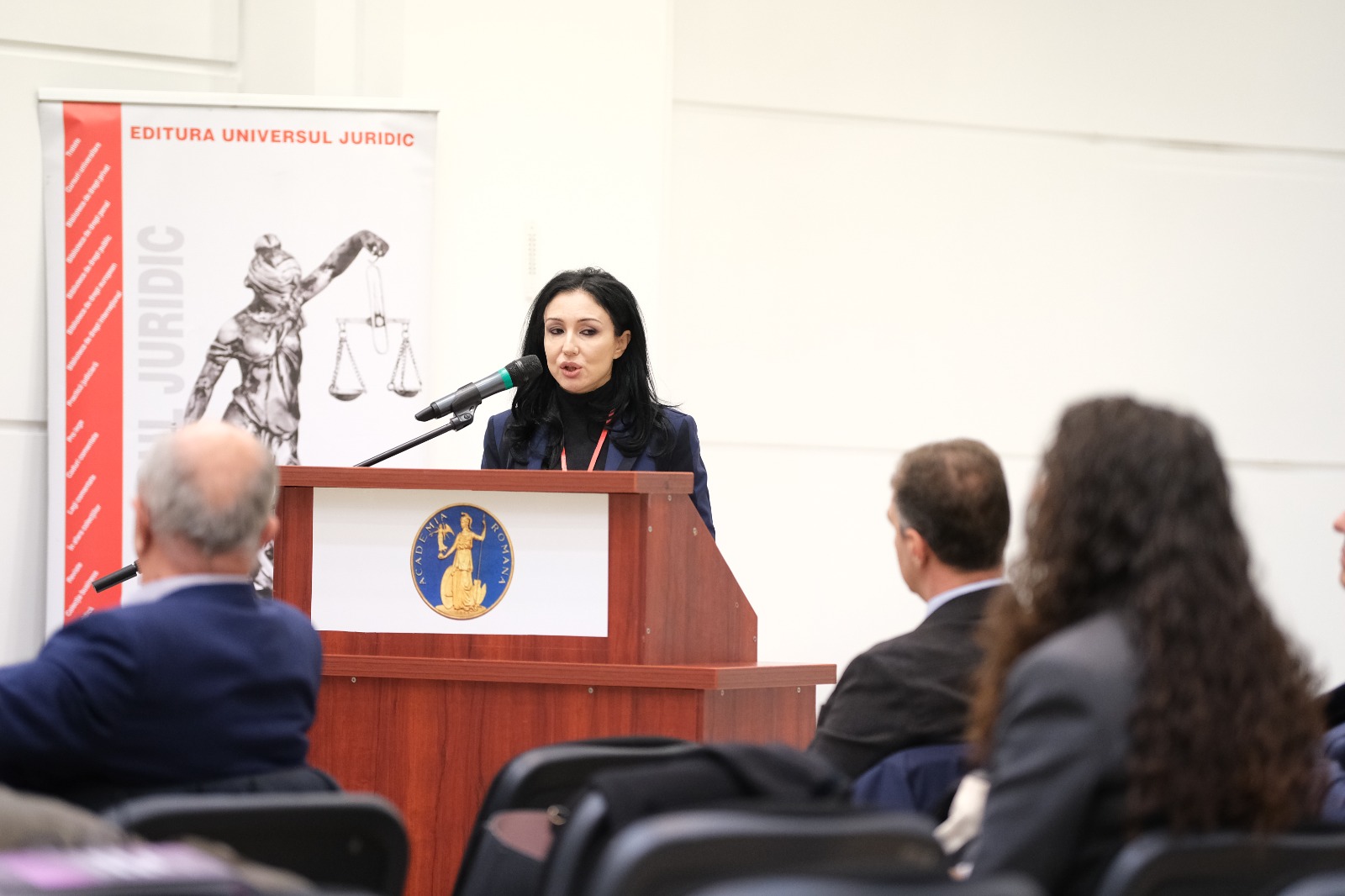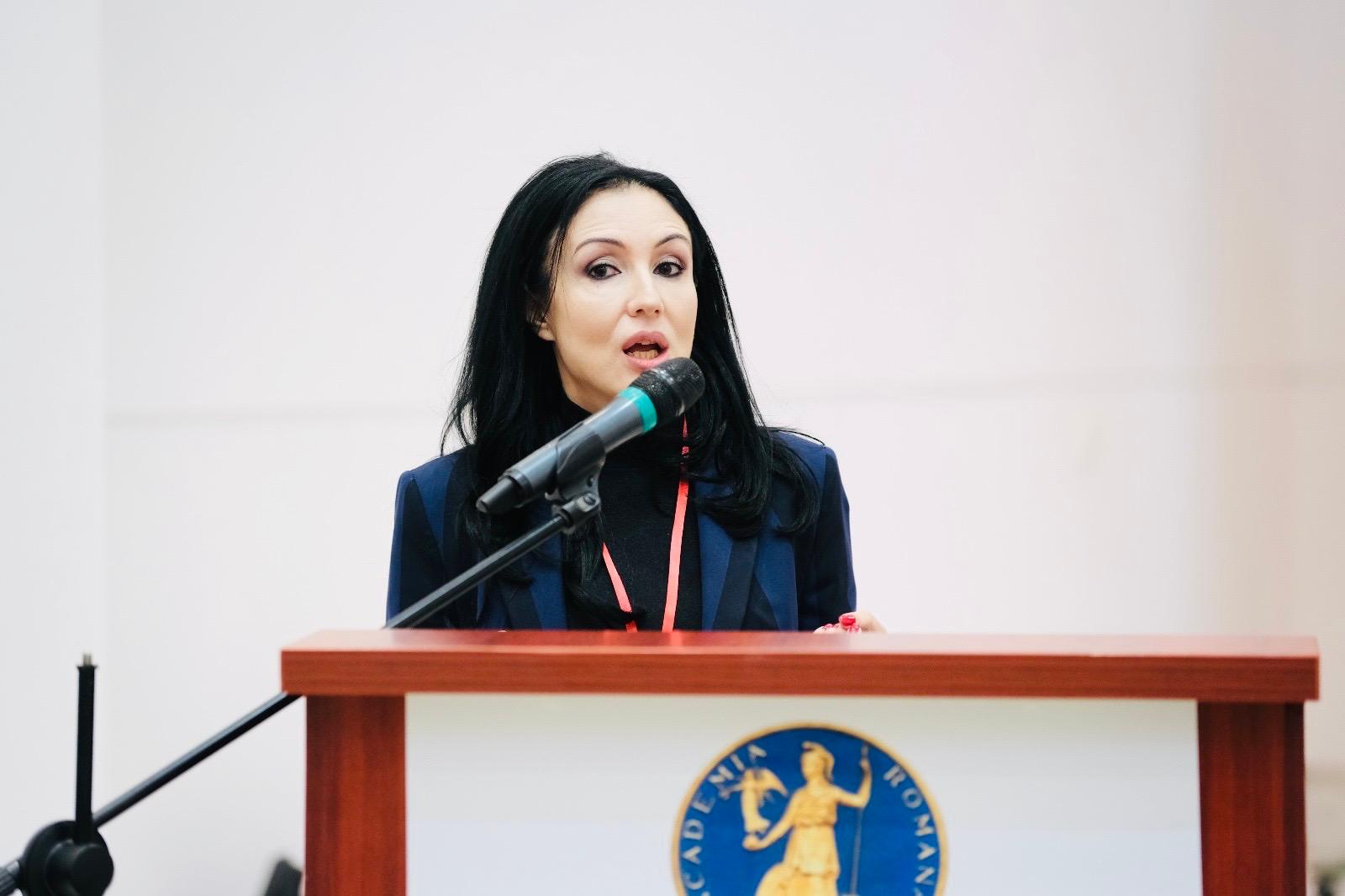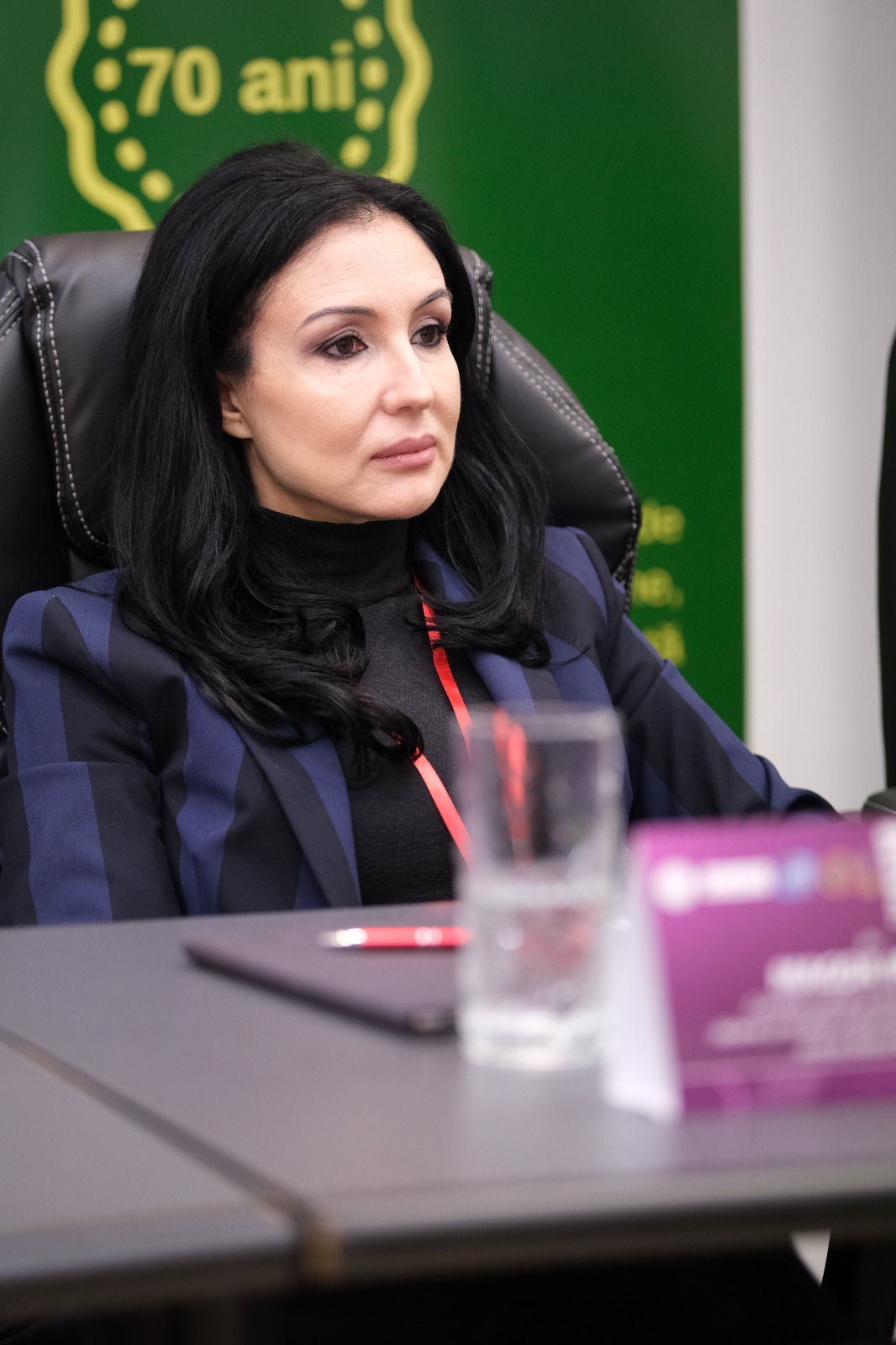
Our colleague Magda Irimia (Popescu) returned to the “Acad. Andrei Rădulescu” Legal Research Institute of the Romanian Academy, this time as a speaker at the National Conference on trademarks and other signs used in trade, organised on 29–30 October 2026 by the Institute, the Romanian Scientific Association for Intellectual Property Law (ASDPI), the Romanian Journal of Intellectual Property Law (RRDPI) and Universul Juridic.
In February, at the same Institute, Magda spoke about the training of large language models on IP-protected content. This time she looked at the other end of the pipeline: trademarks in the prompts users write and in the content AI systems generate.
Her starting point was the classic one. A trade mark may be deemed infringed when the sign is used in the course of trade, in relation to goods or services, in a way that affects its essential function: telling the public where those goods or services come from. The question is whether AI output can do that.
In Getty Images v Stability AI (High Court of England and Wales, November 2025), the object of the judicial analysis consisted of earlier versions of Stable Diffusion generating images carrying “Getty Images” and “iStock” watermarks. The court treated the watermark on a generated image as use of the sign in relation to the images themselves and found infringement for those outputs, while rejecting the claim based on the trademark reputation and the copyright claims. One finding matters beyond the case: the user does not control the output through the prompt, so the use was attributed to the provider. The appeal is pending.
In Britannica v Perplexity (S.D.N.Y., filed September 2025), the complaint describes a user asking for “only Britannica content” on the Druids and then for the “exact passages” of the article. The answer reproduced large parts verbatim but silently dropped paragraphs, under the Britannica name. The claim put forward by Britannica is false designation of origin and dilution: the mark vouches for a text the source never published in that form. The case is pending and these are the plaintiffs’ allegations, not the court’s findings.
The common thread: in both cases the sign ends up on content the owner did not produce. Whether that is a watermark on a synthetic image or a publisher’s name on an incomplete article, the function at stake is the same, the origin.